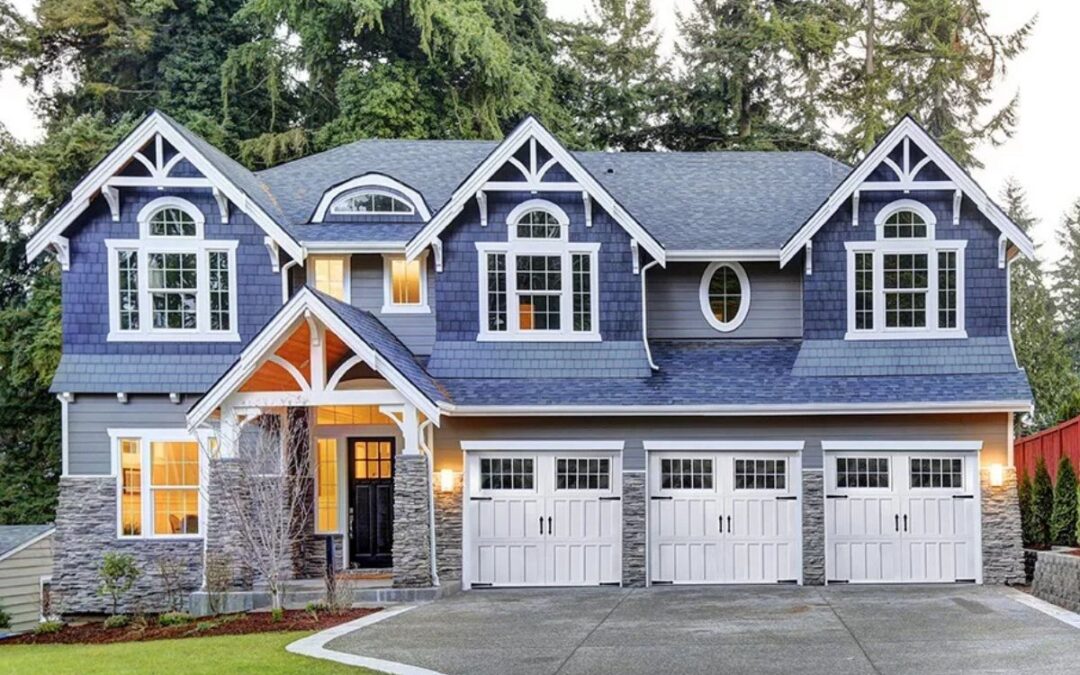
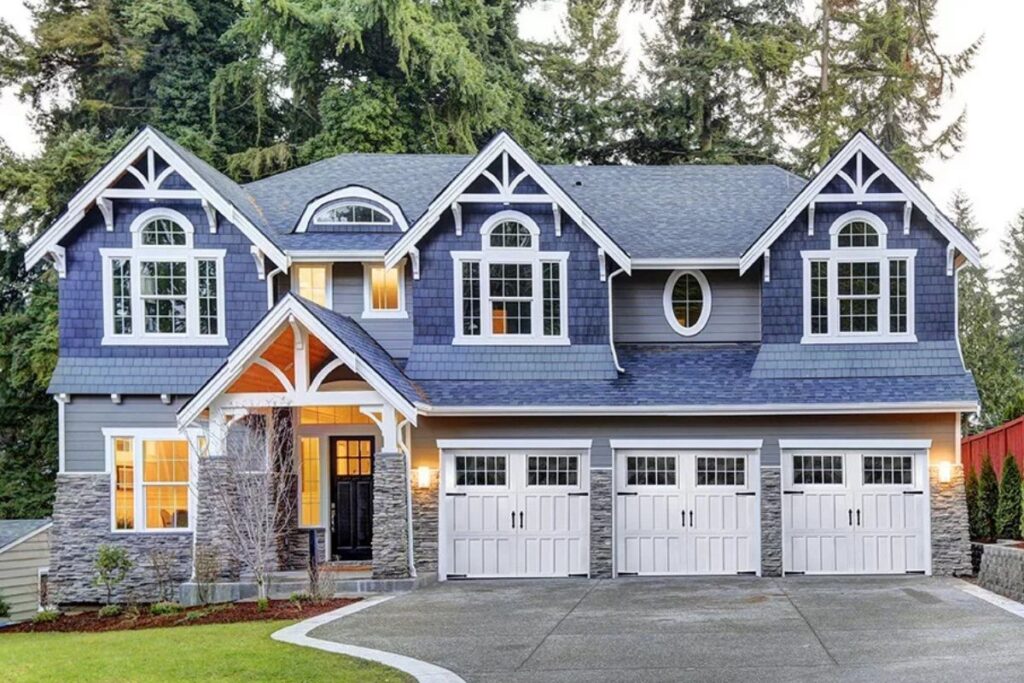
Garage doors occupy up to 30% of your home’s front elevation, making them one of the most visually prominent features that shape first impressions, value, and curb appeal. Visitors, neighbors, and potential buyers notice your garage door immediately, and its style either enhances or detracts from your home’s architectural character.
Homeowners face a genuine challenge when selecting a garage door style that truly fits their home’s architecture rather than simply choosing what looks attractive in a showroom. What appears stunning on a contemporary home may look completely out of place on a traditional colonial.
Creating a cohesive exterior requires viewing your garage door as an integral part of your home’s design rather than treating it in isolation. Your garage door must coordinate with your roofline, trim details, siding materials, window styles, and overall architectural period.
Next, we will guide you through specialty, traditional, and carriage house garage door styles, explaining how each category complements specific architectural approaches. Understanding these style relationships empowers you to make confident decisions that enhance rather than compromise your home’s character.
Palmer Garage Door serves as your trusted resource for architectural matching and professional installation throughout Connecticut. Our 32+ years of experience helping homeowners select garage doors that perfectly complement their homes’ architecture ensures you’ll get expert guidance tailored to your specific situation.
Why Matching Garage Door Style Matters for Curb Appeal
Cohesive design creates a polished, intentional look that signals care, attention to detail, and pride of ownership. When your garage door’s style aligns with your home’s architecture, the entire exterior reads as a unified composition.
Garage doors significantly influence perceived home value because they’re so prominent and because style mismatches suggest poor decision-making. Real estate professionals recognize that homes with architecturally appropriate garage doors photograph better, show better, and command higher prices.
Style alignment improves neighborhood aesthetics by contributing to the visual character that makes desirable neighborhoods appealing. When homes feature garage doors that are appropriate to their architecture, the entire street benefits from greater cohesion.
Architectural consistency provides long-term resale benefits that extend beyond immediate curb appeal improvements. Buyers seeking homes in particular architectural styles expect authentic details, including appropriate residential garage doors that match the home’s period and character.
How to Match Garage Door Styles with Your Home’s Design
Identifying your home’s architectural style starts with recognizing defining characteristics like roofline shape, window proportions, trim details, and construction era. Colonial homes feature symmetrical facades, Cape Cods have steep roof pitches with dormers, ranches emphasize horizontal lines, and contemporary homes showcase clean angles.
Rooflines, trim, siding, and windows provide critical clues about which garage door styles will complement your home’s design language. Steep-pitched roofs suggest traditional styling, while flat or shallow pitches indicate modern aesthetics. Window grids and trim widths set the formality level your garage door should match.
Blending your garage door with the home creates seamless integration appropriate for traditional styles, while creating intentional contrast works for contemporary designs. Traditional homes benefit from garage doors that recede into the overall composition, while modern homes often use garage doors as architectural features.
Professional design input ensures cohesive results by bringing expertise in architectural styles and proportion relationships that homeowners may not possess. Working with experienced professionals throughout Connecticut and surrounding communities prevents expensive mistakes.
Matching Recessed-Panel Traditional Garage Doors with Traditional Homes
Symmetrical panel layouts reinforce the classic architectural balance that defines colonial, Cape Cod, and traditional ranch homes. Recessed-panel doors with raised frames create shadow lines that add visual interest while maintaining traditional character.
Neutral or heritage colors like white, almond, beige, or muted gray work best with traditional homes by complementing rather than competing with architectural details.
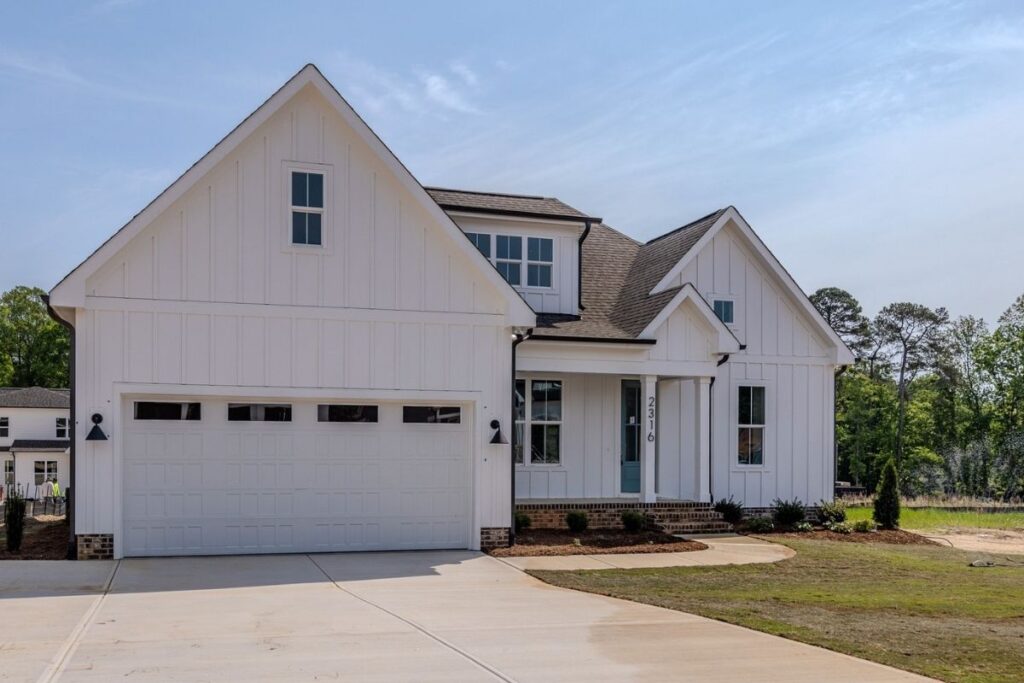
Optional top-row window inserts with simple grids complement colonial, cape, and ranch homes by echoing the muntin patterns in the home’s windows. Grid patterns should match or coordinate with existing window configurations for an authentic period appearance.
Steel garage doors with natural wood-grain finishes offer a timeless look with low maintenance that modern homeowners demand. Advanced embossing techniques create realistic natural wood grain textures while delivering superior durability.
Matching Carriage House Garage Doors with Carriage-Style & Historic Homes
Emphasize warmth and character through panel detailing, crossbuck designs, or recessed panels that reference the historical carriage-house doors. These design elements recall authentic craftsmanship while functioning as modern sectional garage doors.
Incorporate decorative hardware, including false hinges, handles, and corner braces, to reinforce traditional craftsmanship aesthetics. Quality hardware in oil-rubbed bronze, black, or antique finishes adds authenticity and depth.
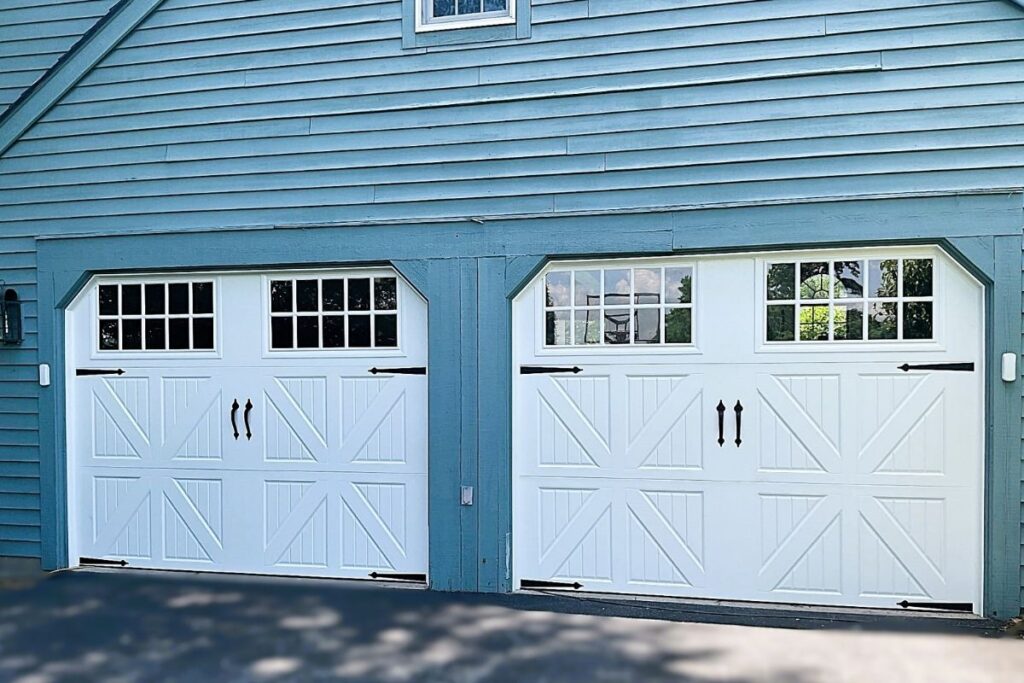
Use window inserts with divided lites to echo existing window styles throughout the home’s architecture. Arched, rectangular, or specialty-shaped windows can be configured to match your home’s specific window treatments.
Maintain symmetry and proportion to preserve your home’s balanced, handcrafted aesthetic. Panel sizes, hardware placement, and window positioning should all contribute to the overall sense of thoughtful design.
Matching Modern Garage Doors with Modern & Contemporary Homes
Opt for clean lines, flush panels, and minimal ornamentation that define modern architectural garage doors and contemporary design philosophies. Modern homes reject unnecessary decoration in favor of pure form and precise execution.
Choose bold contrasts or monochromatic color schemes for architectural impact. Contemporary homes often use color strategically.
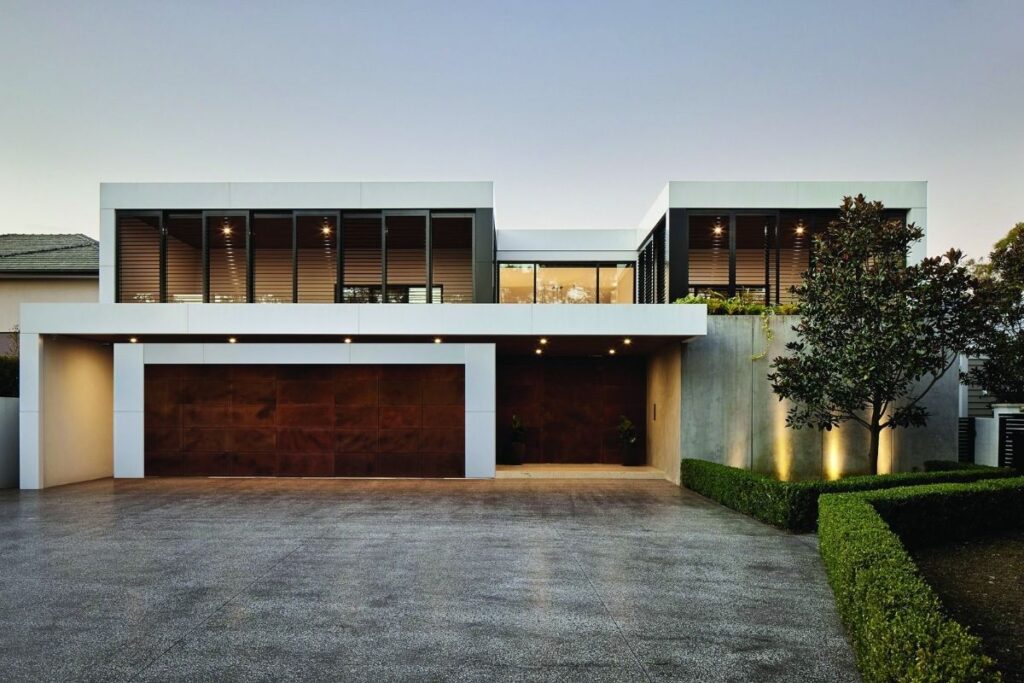
Align horizontal or vertical panel orientation with the home’s dominant design lines to reinforce the architectural composition’s underlying geometry. This alignment creates visual harmony through the repetition of directional elements.
Focus on simplicity and precision to maintain a cohesive modern look without visual clutter. Modern design succeeds through careful editing and restraint, qualities your garage door selection must embody.
Matching Specialty Garage Doors with Specialty/Custom Homes
Custom garage doors accommodate unconventional layouts or materials that standard sizes cannot address. Homes with oversized garage openings or unique architectural details require a custom garage door solution tailored to meet specific measurements.
Recommend mixed materials such as natural wood, steel, and glass for visual interest. Wood frames with glass panels, steel with wood accents, or aluminum with frosted glass create sophisticated compositions.
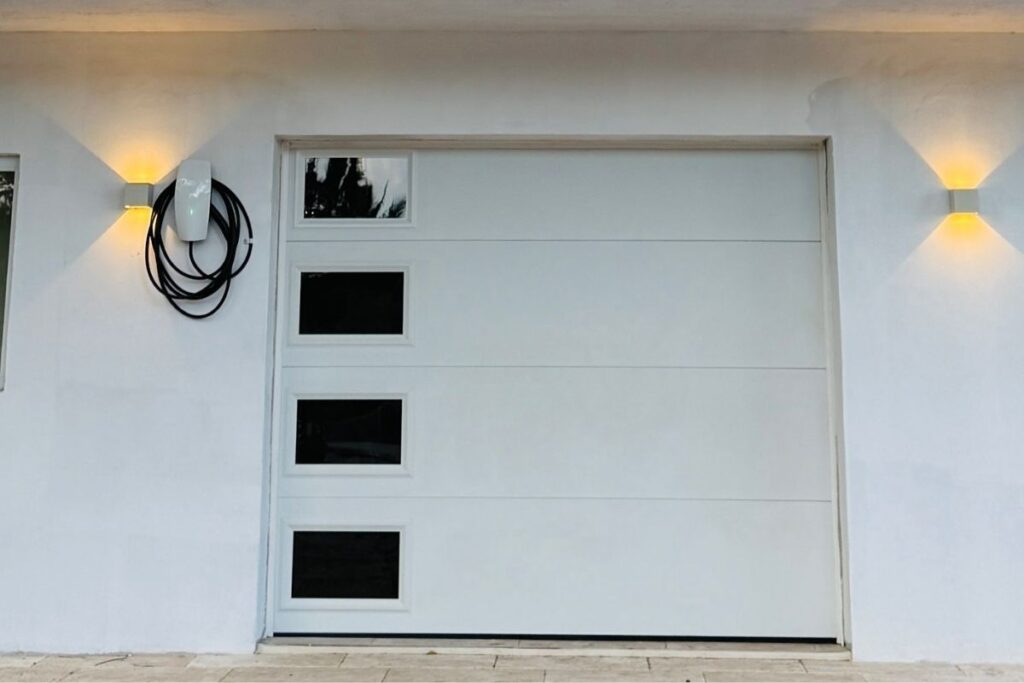
Tailor panel design, sizing, and finishes to complement one-of-a-kind architecture. Configuration possibilities are virtually unlimited when working with experienced fabricators who understand architectural design.
Use specialty doors to either blend seamlessly with your home’s exterior or create intentional contrast as an architectural focal point. Professional guidance helps determine which approach best serves your specific architectural vision.
Choosing The Right Material For Your Garage Door Style
Steel options provide durability across all garage door styles, offering strength, low maintenance, and design flexibility. Steel doors resist denting, provide excellent insulation, and accommodate any finish from smooth paint to embossed wood grain. Backed by our warranty, steel doors deliver decades of reliable performance so you can rest assured knowing you’re getting the finest materials possible for your garage door.
Wood and wood-look materials suit traditional and carriage-house designs, providing authentic warmth and texture. Real wood doors offer unmatched beauty but require regular maintenance. Wood-look steel alternatives offer a similar aesthetic with dramatically reduced maintenance.
Aluminum, glass, and composite materials create the sleek, contemporary aesthetic that specialty and modern homes demand. Aluminum’s light weight allows for larger panels and more glass area, creating the transparent garage fronts that contemporary design favors.
Maintenance and climate considerations significantly influence material selection beyond pure aesthetics. Connecticut’s four-season climate, with humid summers and cold winter’s affects different materials distinctly. Steel resists our climate well when properly protected with a finish.
Elevating Your Home’s Character with the Perfect Residential Garage Door
Aligning the garage door style with the home’s architecture is one of the most impactful exterior improvements you can make to enhance curb appeal and property value. The visual prominence of garage doors means that getting this selection right dramatically improves your home’s appearance.
Specialty, traditional, and carriage house options each offer distinct benefits when properly matched to appropriate architectural styles. View your garage door as a design investment that returns value through improved aesthetics, enhanced curb appeal, and increased property value. Quality garage doors, properly selected and professionally installed provide decades of service while beautifying your home daily.
Contact Palmer Garage Door today at (203) 881-9979 for expert guidance and professional installation that ensures your new garage door perfectly complements your home’s architecture. Request your free consultation where we’ll assess your home’s style, discuss your preferences, and recommend garage door styles that enhance your property’s unique character while providing the durability and performance you expect from a Palmer installation backed by our lifetime workmanship warranty.