
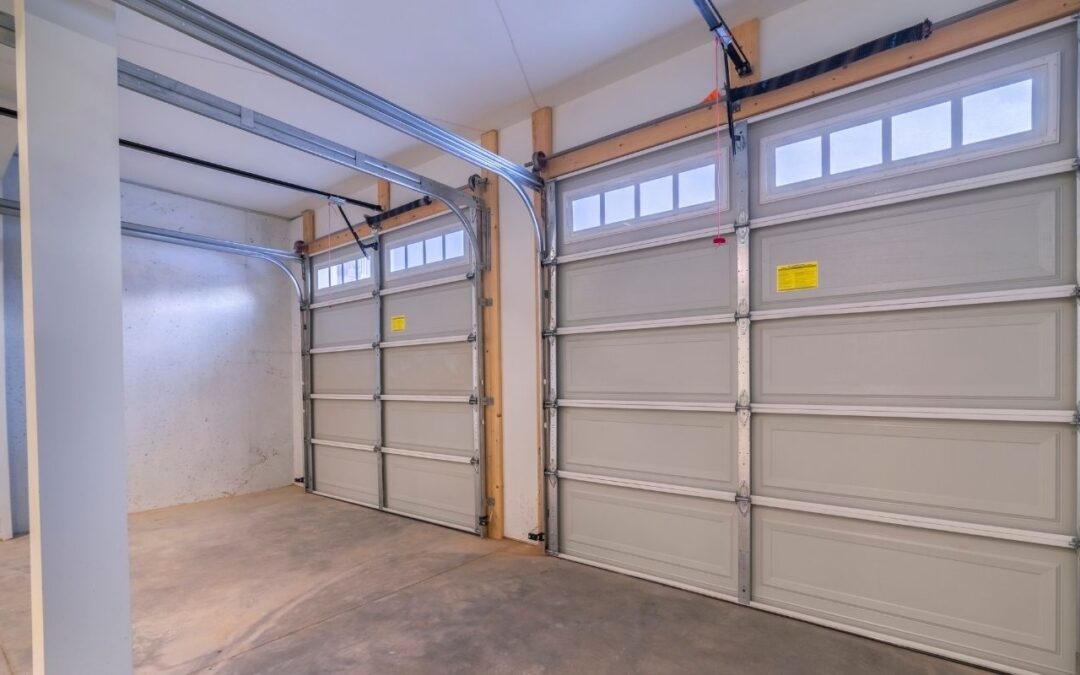
Your garage plays a larger role in your home’s overall energy efficiency than most homeowners realize, serving as a significant thermal bridge between outdoor temperatures and your living spaces. Many garages share walls with living areas, sit beneath bedrooms, or connect directly to the house through interior doors, creating pathways for unwanted heat transfer.
Non-insulated garage doors create common, costly problems that affect both comfort and utility bills year-round. During winter months, heat loss through uninsulated garage doors forces heating systems to work harder to maintain comfortable temperatures. Excess heat during summer transforms garages into ovens that radiate warmth into your home, overwhelming air conditioning systems.
Energy efficiency upgrades should start with the garage because addressing this often-overlooked space delivers immediate, measurable improvements in home performance. The garage represents one of the largest openings in your home’s thermal envelope, and upgrading to insulated garage doors provides one of the highest returns on investment among energy improvement projects.
For over 50 years, Palmer Garage Door has served Connecticut homeowners as the trusted local expert in insulated garage door installation and service. We understand Connecticut’s climate challenges and help homeowners select garage door insulation solutions that deliver lasting value.
What Are Insulated Garage Doors?
What Makes a Garage Door “Insulated”
Insulated garage doors feature a core insulation layer sandwiched between steel or composite exterior and interior panels, creating a thermal barrier that resists heat transfer. This multi-layer construction traps insulating material within the door structure, preventing temperature exchange between the garage interior and the outdoor environment.
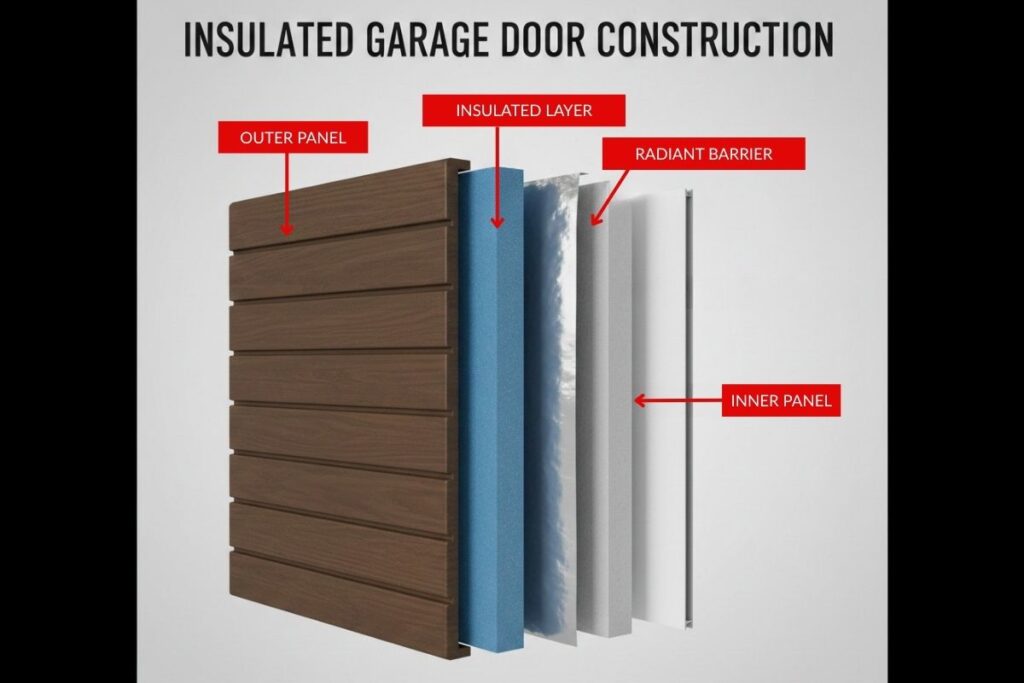
The fundamental difference between insulated and non-insulated hollow doors lies in construction and performance. Hollow doors consist of a single thin metal layer with empty air space, offering virtually no thermal resistance. Non-insulated doors feel hot to the touch in summer and icy cold in winter as they rapidly conduct outdoor temperatures.
Insulation significantly affects door strength, temperature control, and overall durability. The added insulation core stiffens door panels, making them more resistant to dents from basketballs, bicycles, and other impacts. This enhanced structural integrity means insulated doors maintain their appearance and function longer.
Common Types of Garage Door Insulation
Polystyrene insulation uses rigid foam panels cut to fit between the door’s steel skin layers, providing basic thermal protection at an accessible price point. Polystyrene represents a budget-friendly option that significantly outperforms non-insulated doors while keeping costs moderate.
Polyurethane insulation involves injected foam that expands to fill every cavity within the door structure, creating superior thermal performance and structural strength. The expanding foam bonds directly to the interior and exterior door skins, delivering higher R-values and stronger overall door construction compared to polystyrene.
Understanding R-Value Ratings
R-value measures a material’s resistance to heat flow, with higher values indicating better insulation and greater energy efficiency. This standardized rating system allows you to objectively compare insulation effectiveness across different products.
Higher R-values equal better thermal resistance, meaning less heat escapes in winter and less outdoor heat penetrates during summer. A door with R-16 insulation provides significantly better temperature control than one rated R-8.
Typical R-value ranges for quality garage doors span from R-8 for basic polystyrene-insulated models to R-18 or higher for premium polyurethane-insulated doors. Connecticut homeowners generally benefit most from doors in the R-12 to R-18 range that balance performance with cost-effectiveness.
Benefits of Implementing Garage Door Insulation Solutions
Lower Energy Bills
Reduced heat transfer through insulated garage doors keeps indoor temperatures more stable, preventing conditioned air from escaping and outdoor temperatures from penetrating. When your garage maintains more moderate temperatures year-round, adjacent rooms require less heating and cooling to remain comfortable.
Improved energy efficiency addresses the specific problem of winter heat escaping through the garage into the frigid outdoor air. Insulated doors with proper weatherstripping create effective barriers that keep warmth where it belongs.

Less reliance on heating and cooling systems means your HVAC equipment runs fewer cycles, reducing wear while consuming less energy. This reduced workload extends equipment life while delivering immediate savings on monthly energy costs.
Improved Indoor Comfort
More consistent temperatures in rooms adjacent to or above the garage improve overall home comfort by eliminating cold spots in winter and hot zones in summer. Many master bedrooms, home offices, and living spaces share walls or floors with garages, making them vulnerable to temperature fluctuations.
Better comfort in garages used as workspaces, storage areas, gyms, or hobby rooms makes these spaces genuinely usable year-round. Insulated doors transform garages into comfortable spaces where you can actually work on projects, exercise, or pursue hobbies, regardless of outdoor conditions.
Noise Reduction
Insulated doors absorb sound from street traffic, barking dogs, and noisy neighbors, creating a quieter environment in the garage and adjacent living spaces. The dense insulation core dampens sound transmission far more effectively than hollow metal panels.
Quieter operation when opening and closing provides an additional noise benefit, making insulated doors more pleasant to use daily. Early morning departures and late-night arrivals become less disruptive to sleeping family members when your garage door operates smoothly and quietly.
Increased Durability & Strength
Stronger construction resists dents and impact damage from sports equipment, vehicle bumpers, and everyday garage activities. The rigid insulation core provides structural support, preventing panel flexing and deformation under impact.
Longer lifespan than non-insulated doors means your investment pays dividends over decades. Insulated doors typically last 15-25 years with proper maintenance, while cheap non-insulated doors often need replacement within 7-10 years.
Increased Home Value & Curb Appeal
Modern, energy-efficient upgrades, such as insulated garage doors, appeal to today’s environmentally conscious buyers who value lower operating costs. Energy efficiency features consistently rank among the top buyer priorities.
Insulated garage doors boost resale appeal and buyer confidence by showing that the home has been properly maintained. The Palmer Promise warranty backing your installation provides additional reassurance that appeals to cautious buyers.
3 Factors to Consider When Choosing Insulated Garage Doors
1. How the Garage Is Used
Storage-only usage may justify basic insulation levels since you won’t be spending significant time in the garage, requiring comfort. If your garage primarily houses vehicles and seasonal storage, moderate R-values around R-8 to R-12 provide adequate performance.
Workspace or living space usage demands higher insulation levels to maintain comfortable temperatures for extended periods. Home gyms, workshops, offices, and hobby spaces require R-16 to R-18 insulation for year-round comfort.
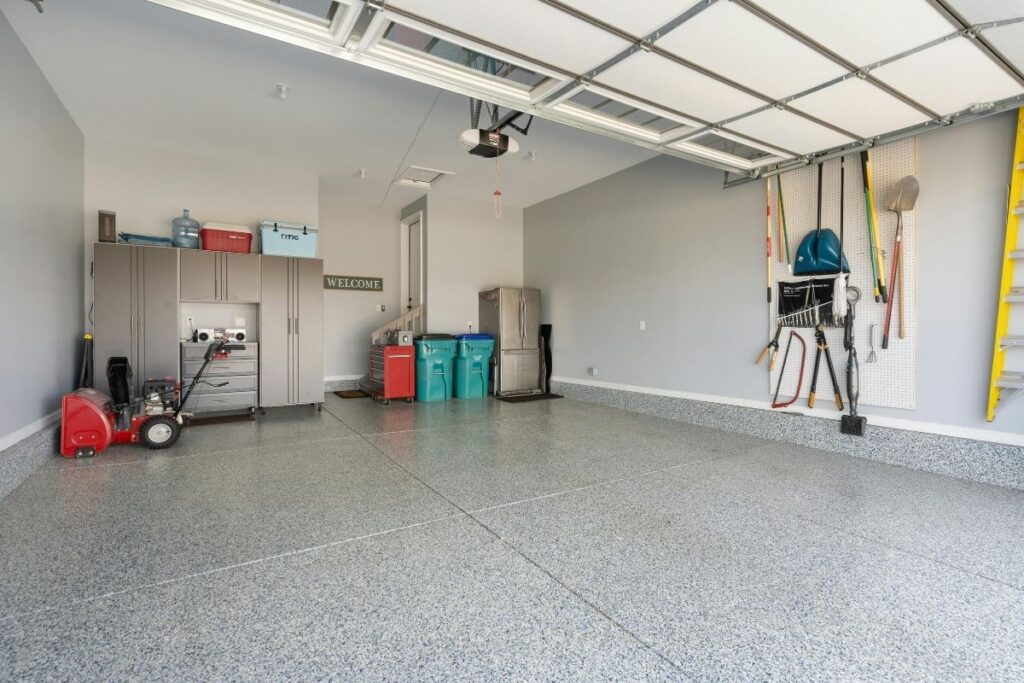
Vehicle protection needs vary based on vehicle type and age, with classic cars and sensitive equipment requiring stable temperatures. Extreme temperature swings stress vehicle batteries, fluids, and sensitive electronics while potentially damaging paint and interior materials.
2. Choosing the Right R-Value
Extreme hot or cold climates like Connecticut’s require higher R-values to maintain energy efficiency and comfort during temperature extremes. Our region experiences frigid winters with sub-zero temperatures and hot, humid summers that challenge garage door performance. Insulation levels R-16 to R-18 provide optimal performance in Connecticut’s demanding climate.
Low R-values around R-8 to R-12 may suffice for mild climates with moderate year-round temperatures, but represent compromises in Connecticut’s climate. Most Connecticut homeowners find that investing in higher R-values delivers better long-term value.
3. Material, Thickness, & Design
Steel and composite garage doors each offer distinct advantages: steel provides superior strength and security, while composites resist corrosion and denting. Modern steel doors feature baked-on finishes that resist Connecticut’s weather extremes without requiring painting.
Panel thickness and layering directly impact insulation effectiveness, structural strength, and overall door quality. Premium doors feature thicker steel skins and more substantial insulation cores, delivering superior performance.
Style options that match your home’s exterior architecture ensure your new garage door enhances, rather than detracts, from your home’s curb appeal. Modern insulated doors are available in traditional raised panel designs, contemporary flush panels, and carriage house styles that complement any architectural style.
Palmer Garage Door Is Invested in Insulating Your Garage Door for Long-Term Savings
Insulated garage doors deliver measurable improvements in energy efficiency, indoor comfort, and structural durability that justify their modest cost premium over non-insulated alternatives. The combination of reduced energy bills, enhanced comfort, quieter operation, and increased home value creates compelling returns on investment.
Long-term energy savings and home protection benefits accumulate over years and decades, making insulated doors one of the smartest home improvement investments available. The energy cost reductions alone often recover the upgrade cost within 5-7 years, with decades of continued savings thereafter.
Choosing the right insulation type and door construction ensures you receive maximum value from your investment through optimal performance and longevity. Our expertise helps you navigate these choices to identify solutions perfectly matched to your needs and budget.
Contact Palmer Garage Door today at (203) 881-9979 for an expert consultation, comprehensive inspection, and professional installation that starts saving you money immediately. Request your free quote and discover how upgrading to an insulated garage door can transform your home’s energy efficiency and comfort.