

Garage doors are among the most-used mechanical systems in any home, opening and closing multiple times daily as family members come and go. Most homeowners operate their garage doors 1,500 times or more per year, subjecting springs, cables, rollers, and openers to constant stress that gradually wears them down.
Many homeowners only notice problems once the door stops working entirely, leaving cars trapped inside or the garage exposed to weather and security risks. This reactive approach often means addressing failures at the worst possible times when emergency service costs premium rates, and the inconvenience disrupts daily routines.
Routine garage door tune-up inspections catch small issues before they become expensive repairs, transforming unpredictable breakdowns into manageable maintenance. Palmer Garage Door serves as your professional resource for preventive garage door care throughout Connecticut, bringing over 50 years of experience to every inspection.
How Inspections Lead to Long-Term Savings
Preventive maintenance delivers financial benefits by reducing total ownership costs through early problem detection, extending component life, and reducing the need for emergency repairs.
1. Addressing Small Repairs Before They Become Large Ones
Minor issues such as loose hardware, slight misalignment, or early spring wear cost very little to fix when caught during routine inspections. Tightening a few bolts takes minutes, adjusting track alignment requires basic tools, and lubricating moving parts prevents accelerated wear.
Small problems worsen over time if ignored: loose hardware causes vibration that damages surrounding components; slight misalignment creates uneven wear that bends tracks; and dry springs develop stress points that lead to catastrophic failure.
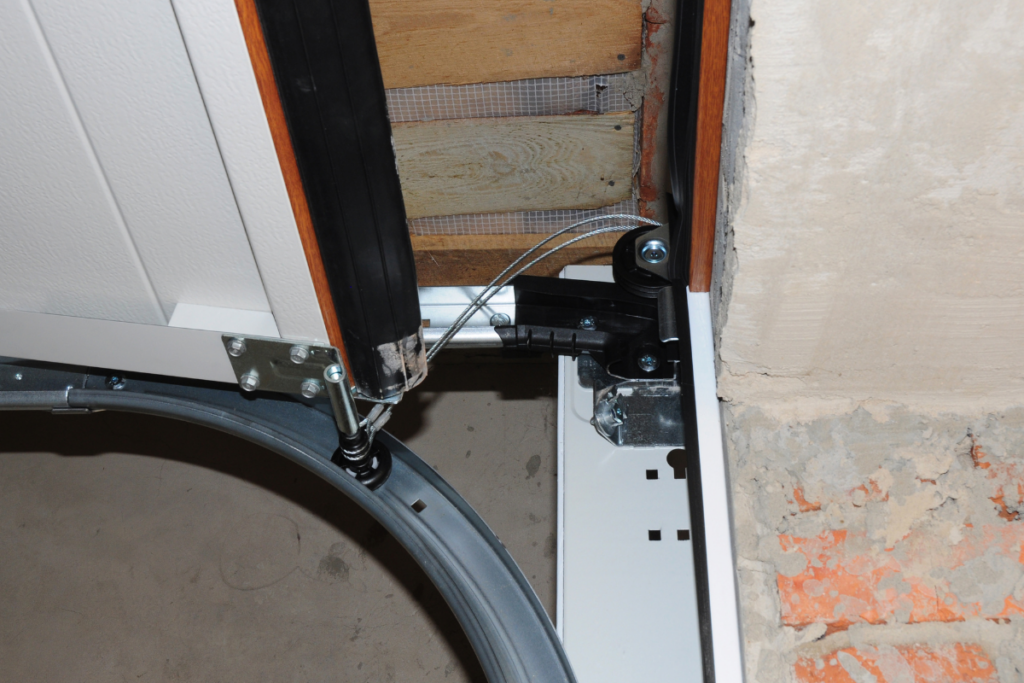
Routine garage door inspection services prevent unexpected breakdowns and enable planned, low-cost maintenance that fits your schedule and budget. Instead of discovering spring failure when rushing to work, scheduled inspections identify weakening springs months before they break, allowing replacement during convenient appointment times at standard rates rather than premium emergency fees through professional garage door repair services.
2. Preventing Collateral Damage When Parts Fail
A failing component often strains surrounding components as the system attempts to compensate for its weakness. When springs weaken, the garage door opener works harder to lift additional weight, cables experience increased tension from unbalanced loads, and rollers bind against the tracks, causing the door to move unevenly.
A broken spring can damage cables that snap under sudden load release, bend tracks when the door drops unevenly, destroy rollers that jam in warped tracks, and burn out the opener motor that attempts to lift an unbalanced door. Single-component failure often triggers chain reactions requiring multiple repairs. Professional spring replacement during routine maintenance prevents this collateral damage entirely.
3. Reducing Emergency Service Calls
Inspections reduce the risk of sudden door failure by identifying issues in their early stages, when warning signs are visible to trained technicians. Technicians spot fraying cable strands before complete failure, notice spring tension loss before breaking, and identify worn rollers before they seize. This early detection eliminates most surprise breakdowns that require emergency service.
The convenience and financial benefits of planned maintenance over surprise breakdowns extend beyond repair costs to include avoiding the stress of being unable to access your garage when needed.
4. Extending the Lifespan of Expensive Components
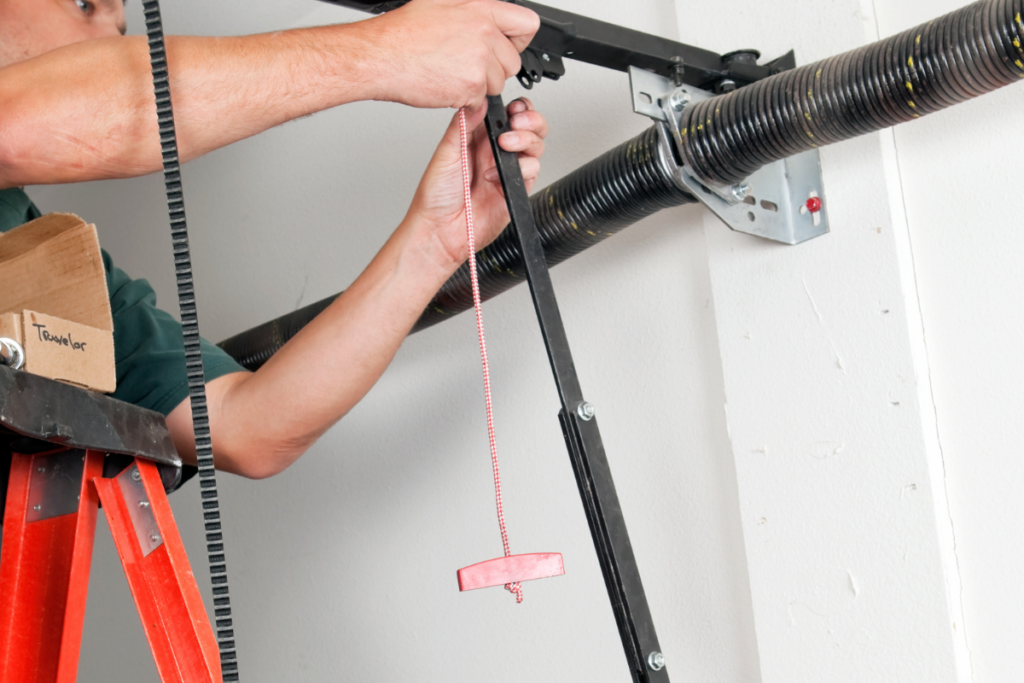
Proper lubrication reduces friction that causes premature wear on springs, rollers, hinges, and tracks. Correct alignment prevents binding that forces components to work against resistance. Proper spring tension ensures balanced operation without overworking the opener motor. These maintenance tasks performed during routine garage door servicing dramatically extend component life.
A longer component life directly translates to fewer replacements and lower long-term ownership costs. Replacing an opener every 12 years versus every 18 years saves hundreds of dollars over the life of the garage door system, while proper maintenance that extends spring life by just 30% saves $150-300 per replacement cycle over the typical 30-year lifespan.
What Palmer’s Routine Garage Door Inspection Includes
Visual inspection of springs, cables, rollers, and tracks identifies wear patterns, damage, and approaching failure points that homeowners may not readily see. Palmer’s service team examines spring coils for gaps indicating loss of tension, checks cable strands for fraying that precedes breaking, inspects roller bearings for wear that causes binding, and evaluates track alignment that affects smooth operation. Door balance and alignment checks verify that the door opens and closes smoothly without binding or uneven movement.
Technicians disconnect the opener and manually lift the door to test the balance, ensuring the springs provide an appropriate counterweight. They measure track alignment with precision tools to verify parallel positioning.
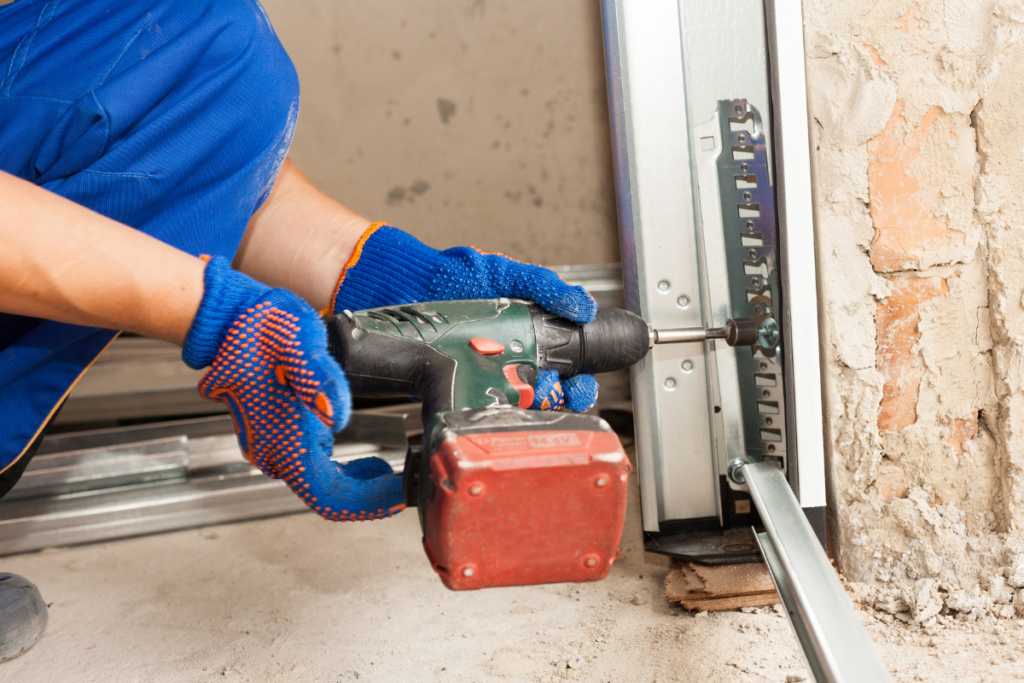
Identifying loose hardware throughout the door system prevents vibration and uneven movement, which accelerates wear. Technicians tighten mounting brackets, hinge bolts, track fasteners, and opener attachments, and lubricate moving parts to reduce friction and wear. Misaligned or bent tracks strain the opener motor and cause rollers to bind, creating resistance that burns out motors prematurely.
Testing safety sensors and auto-reverse function ensures your garage door stops and reverses if anything blocks its path, protecting children, pets, and property from injury or damage. Technicians verify sensor alignment, test obstruction detection at multiple points during closing, and confirm that the door reverses immediately upon detecting resistance.
Common Problems Routine Inspections Catch Early
Broken or weakening springs and cables
Broken or weakening springs represent the most common garage door failure, but inspections identify tension issues before catastrophic failure occurs. Technicians measure spring cycles, check for gaps between coils indicating stretch, and test the door balance that reveals declining spring strength. Catching springs during the weakening phase allows planned replacement rather than dealing with sudden failure.
Sudden door drops or uncontrolled movement
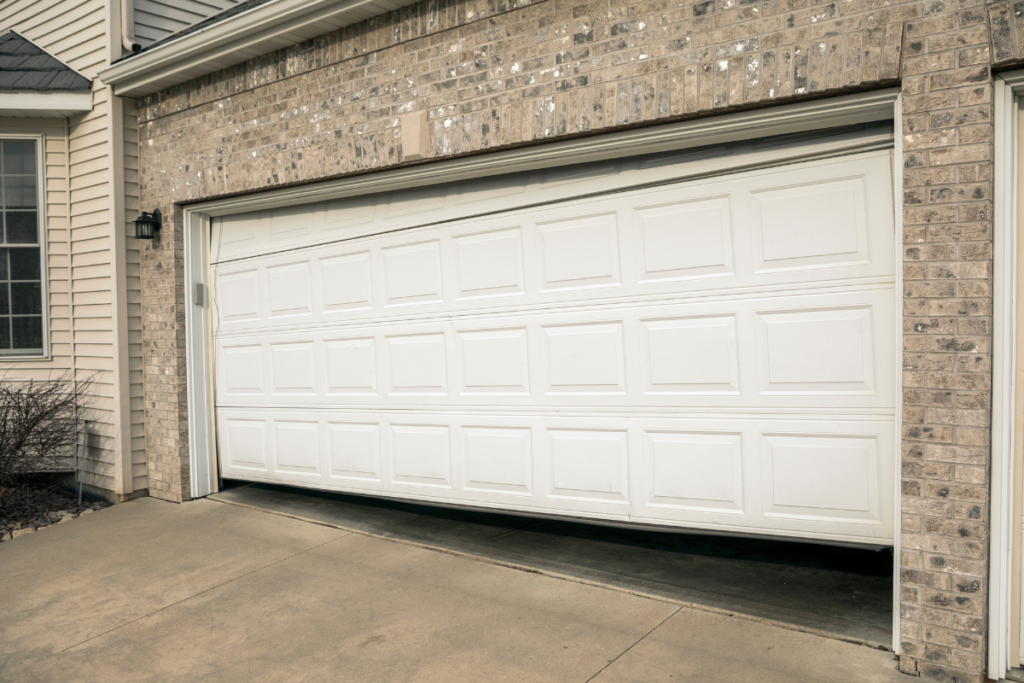
Sudden door drops or uncontrolled movement indicate cable or spring issues that pose serious safety hazards. Balance testing during inspections reveals early warning signs, including doors that don’t stay in place when manually positioned halfway open, uneven movement during operation, or unusual strain on the opener motor.
Increased risk of injury or property damage
The risk of injury or property damage increases when malfunctioning doors operate unpredictably, potentially closing on vehicles, crushing stored items, or injuring people in the door’s path. Malfunctioning safety sensors allow doors to close despite obstructions, weak springs cause sudden drops, and worn cables create unbalanced movement.
Security and access reliability issues
Security and access reliability issues develop when misalignment or sensor problems prevent doors from closing properly, leaving homes vulnerable to intrusion. Doors that won’t close completely, bounce back open unexpectedly, or stop mid-cycle create security gaps that compromise home protection.
Safety concerns beyond cost savings
Safety concerns extend beyond cost savings to include protecting families and property from garage door accidents that cause injuries and property damage each year. Garage doors weighing 150-400 pounds create crushing hazards when they malfunction, while high-tension springs store enough energy to cause serious injury if they break. Professional inspections focus on identifying and correcting safety issues that put households at risk, positioning routine maintenance as a proactive safety measure rather than just a money-saving tactic.
Call Palmer for Your Garage Door Servicing Needs
Routine garage door inspections represent a smart financial decision that pays for itself through reduced repair costs, extended component life, and fewer emergency service calls. The modest cost of annual or biannual inspections pales in comparison to emergency repair bills that often reach hundreds or thousands of dollars when major components fail catastrophically.
Small fixes today prevent large repair bills later by addressing problems during their early stages when repairs remain simple and affordable. Tightening loose hardware costs nothing beyond inspection time; lubricating moving parts extends component life dramatically; and replacing weakening springs before they break prevents collateral damage to cables, tracks, and openers, which multiplies repair costs.
Palmer Garage Door serves as the trusted local expert for inspections and maintenance throughout Connecticut, bringing over 50 years of experience to every service call. Our technicians know garage doors inside and out, understanding how they fail and what preventive measures extend their life and maintain safe operation.
Schedule an inspection today by calling (203) 881-9979 to protect your investment and ensure your garage door operates safely and reliably for years to come.