Repair costs in Connecticut vary widely depending on the root cause, the parts involved, and whether the job requires a licensed technician. This guide breaks down the most common reasons a garage door refuses to close, what each fix typically costs in Connecticut, and when to seek professional repair. Understanding garage door repair pricing upfront helps homeowners avoid overpaying and get the right fix the first time, and Palmer Garage Doors is here to help with expert garage door repair service across the state.
Common Reasons a Garage Door Won’t Close
Misaligned or Obstructed Safety Sensors
Most modern garage door openers use photoelectric safety sensors near the floor. If they fall out of alignment, the door will reverse or refuse to close.
Common culprits include dirt on the sensor lens, a nearby light source causing interference, or a small object blocking the beam. A steady or blinking LED indicator on the sensor unit usually confirms whether alignment or obstruction is the issue. This is one of the most common causes of a garage door not closing, and it is often the cheapest to resolve.
Worn or Broken Cables
Lift cables run alongside the door springs and bear significant tension. Fraying or snapping prevents the door from traveling down its full path.
Visual signs include visible fraying, a door that hangs unevenly, or one side drooping lower than the other. Broken cables are a safety hazard and should never be handled without proper tools and experience, so cable replacement in Connecticut typically requires a professional due to the high tension involved.
Damaged or Bent Tracks
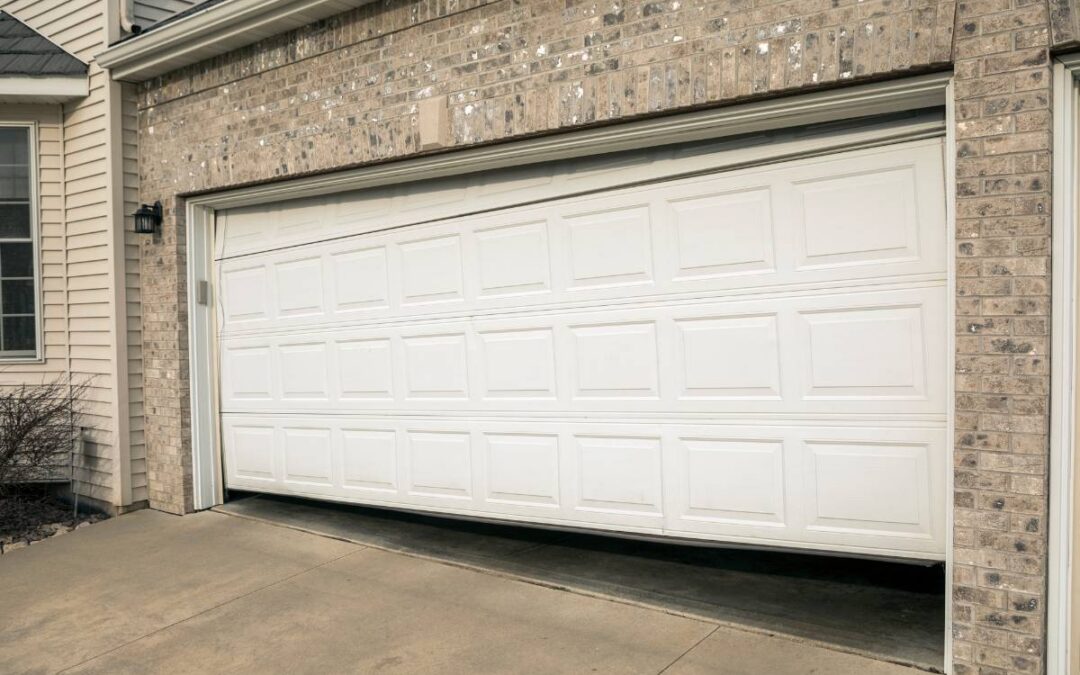
The door’s rollers travel along metal garage door tracks on each side, and even a minor bend or gap can cause the door to jam or stop short of closing. Track damage often results from an accidental vehicle impact, settling of the garage frame, or years of vibration.
Minor track realignment can sometimes be done by a homeowner, but significant bends usually require track replacement. Ignoring track issues accelerates wear on the rollers and the garage door panels themselves, so a small problem left alone can grow into a much larger repair bill.
Garage Door Repair Pricing in Connecticut
Sensor Repair and Realignment Costs
Professional sensor alignment and realignment in Connecticut typically runs between $50 and $100, including a service call fee. If the sensors need a full replacement, expect to pay $100 to $200, depending on the opener’s brand and model.
Many technicians include a sensor check as part of a broader garage door system tune-up, which can offer better overall value. DIY sensor cleaning and realignment costs nothing beyond about 15 minutes of time if no parts need replacing.
Cable Replacement Costs
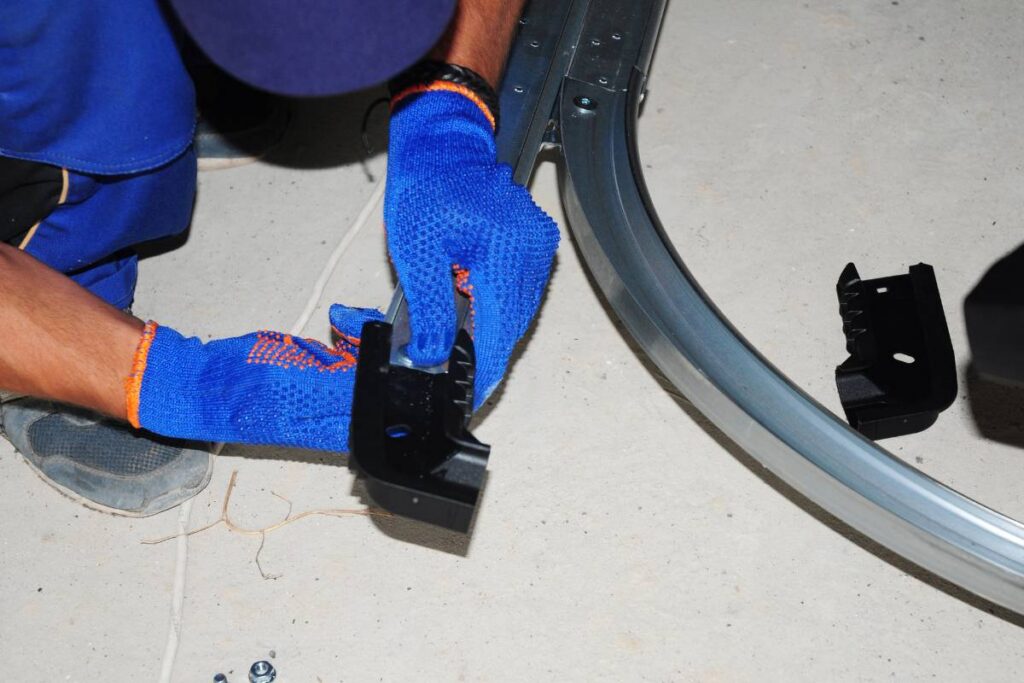
Cable replacement in Connecticut generally costs between $150 and $250 for a standard single-door installation, including parts and labor. Prices can rise if the torsion or extension springs also show wear, since technicians often recommend addressing both components at the same visit.
Labor rates in Fairfield County and the greater Hartford area tend to run slightly higher than in more rural parts of the state. Always request an itemized quote so you can see the split between parts cost and labor.
Track Repair and Replacement Costs
A professional track realignment typically costs $75 to $150 in Connecticut. Full track replacement for a single-car garage door can range from $125 to $400, depending on track gauge and door weight, and two-car doors push costs toward the higher end. Combining track work with a full tune-up is often cost-effective and extends the life of the entire system. You can request a quote from Palmer for a clear, itemized estimate.
When to Call a Connecticut Garage Door Technician
Some repairs carry a real risk of injury and belong in professional hands. Call a technician for:
- Any repair involving torsion or extension springs, cables, or the drum assembly, which carries a high injury risk.
- A door that reverses immediately after touching the ground, which may need a limit switch or force calibration.
- Persistent issues or a door that moves unevenly and signals a deeper mechanical problem.
Connecticut residents should look for certified, insured technicians who offer a written warranty on parts and labor. Every repair Palmer Garage Doors performs is backed by the Palmer Promise, our lifetime workmanship warranty.
Factors That Affect Garage Door Repair Pricing in CT
Door Type and Size
Single-car sectional doors are less expensive to repair than double-wide doors due to smaller hardware and shorter travel distance. Carriage-style and custom wood garage doors are prized for their curb appeal but often require specialty parts that command a premium over standard steel garage doors, and heavier doors place greater strain on cables and springs, which can shorten component lifespans and increase repair frequency.
Timing and Emergency Service Fees
After-hours, weekend, and holiday emergency service calls in Connecticut can add $50 to $150 to standard garage door repair pricing, since faster response times come at a premium. Scheduling during a technician’s regular weekday hours is the most reliable way to keep costs predictable. Some companies offer flat-rate diagnostic fees that apply toward the total repair cost, which is worth asking about when booking.
Getting Your Garage Door Closing Reliably Again: Next Steps for Connecticut Homeowners
Start with the simplest culprits. Check sensor alignment, clear any obstructions, and test the door’s manual release before calling for service. Use the cost ranges in this guide to benchmark any quotes you receive and avoid overpaying for routine repair work.
Schedule a professional inspection if the problem persists or involves cables, springs, or significant track damage, since these repairs require trained hands. Regular maintenance, including lubrication and sensor checks every six months, is the most cost-effective way to prevent a stuck door from happening again. Contact Palmer Garage Doors today or call (203) 881-9979 to get your garage door closing reliably again.