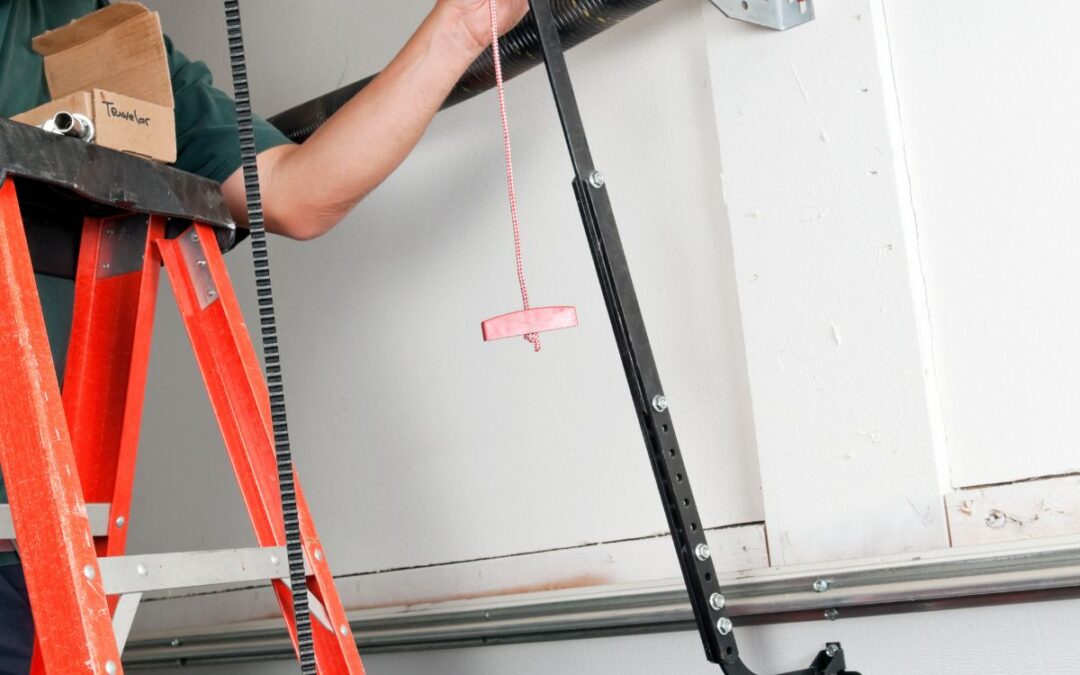
A garage door is one of the largest and most-used moving parts of your home. It cycles thousands of times a year in every kind of weather, and small issues can turn into costly repairs surprisingly fast if left unaddressed.
This guide covers the warning signs that signal it is time for a professional inspection, along with the repairs and upgrades worth considering. Homeowners who deal with these issues now protect their home’s energy efficiency, their vehicles, and their investment in the door itself.
Whether you have a steel panel door, a classic carriage-house style, a commercial garage door, or another garage door profile altogether, the guidance below applies across the board, and the team at Palmer Garage Doors is here to help with any garage door repairs you need.
Why Garage Door Repairs and Upgrades Matter
A worn seal, a stiff spring, or an aging opener rarely stays a small problem. Winter is particularly unforgiving, since cold and moisture add strain to garage door hardware that’s already working hard. Handling repairs and upgrades proactively — through preventative maintenance rather than waiting for a breakdown — pays off in several concrete ways.
Staying ahead of issues:
Protects your home’s energy efficiency and helps keep energy costs down, especially with an attached garage.
Keeps your vehicles and stored belongings secure and out of the weather.
Helps you avoid costly emergency service calls at the worst possible moment.
Extends the life of the door — and the rest of the garage system — while keeping it operating safely year-round.
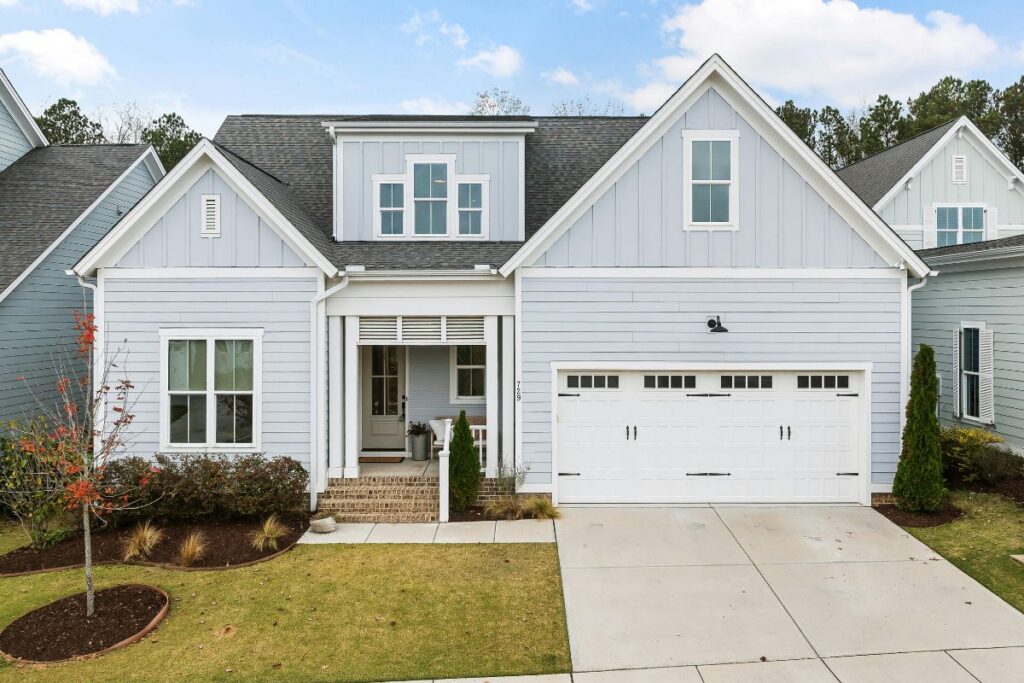
Regular professional attention is what makes all of that possible. The sections below cover the specific signs to watch for and the upgrades worth considering to keep your door in top shape and provide reliable seasonal protection year-round.
Garage Door Issues and Indicators Homeowners Should Watch For
Most garage door failures announce themselves before they happen. Knowing what to listen and look for turns an eventual breakdown into a scheduled, manageable repair.
Unusual Noises
Grinding, popping, or scraping when the door opens or closes is worth paying attention to. These sounds often signal a torsion spring losing tension in cold weather, or rollers that have developed chips and flat spots from wear.
A garage door that has always been noisy is one thing. A door that has recently gotten louder is the one to act on.
Uneven Movement
A door that shudders, tilts, or moves unevenly along the garage door track is a clear sign of a door alignment issue. This commonly points to cable drum misalignment or worn rollers, and both tend to worsen as temperatures drop.
Uneven movement also puts unequal load on the springs and cables, which accelerates wear on parts that were otherwise fine.
Slow Operation
If your door opens or closes more sluggishly than it used to, the cause is usually one of two things. The opener’s logic board may be struggling in the cold, or added strain from a weakening spring is slowing the motor down.
Either way, the opener works harder than it should, and that extra effort shortens its remaining service life.
Visible Damage
Some problems are visible from the driveway. Frayed lift cables, corroded spring coils, and visibly worn rollers are genuine safety risks, and they become more serious once winter adds ice or snow weight to the door.
Springs and cables hold the door’s full weight under tension, so don’t monitor damage to either and revisit it later. It warrants a call right away.
Opener Problems
The opener has its own set of warning signs. Delayed starts, a failure to reverse when the safety sensor is triggered, or a photo-eye sensor that seems out of alignment all warrant a professional look, since the reversing function is a critical safety feature that protects children, pets, and vehicles.
Drafts and Gaps
Cold air along door bottoms or the sides of a closed door is a clear signal. It usually means the bottom seal, threshold seal, or weatherstripping has lost its grip and needs replacing — sealing gaps like these is one of the simpler fixes on this list.
Simple does not mean unimportant. A failed seal lets in cold air, moisture, leaves, and pests, lets water collect on the garage floor, and quietly raises your energy bills all winter long.
Garage Door Upgrades and Repairs Homeowners Should Consider
Once a technician is on site, it is worth thinking beyond the immediate repair. Several upgrades deliver real, ongoing value, particularly in a Connecticut climate.
Upgrades worth weighing:
- Garage door insulation: slows heat transfer and blocks cold air, which is especially valuable for attached garages, converted workspaces, or climate-controlled garages.
- New weather-proof garage door seals: foam-backed vinyl weatherstripping and EPDM rubber perimeter seals hold up better through New England’s freeze-thaw cycles than older, brittle seals. Many upgrades also add jamb and hinge seals, or a nylon brush seal along the bottom, for a more positive, air-tight fit than a single worn garage door threshold seal alone.
- Garage door openers: openers over 10 years old often struggle in the cold, while newer cold-rated models offer more reliable operation.
- Battery backup: keeps the door operational during power outages, when losing garage access matters most.
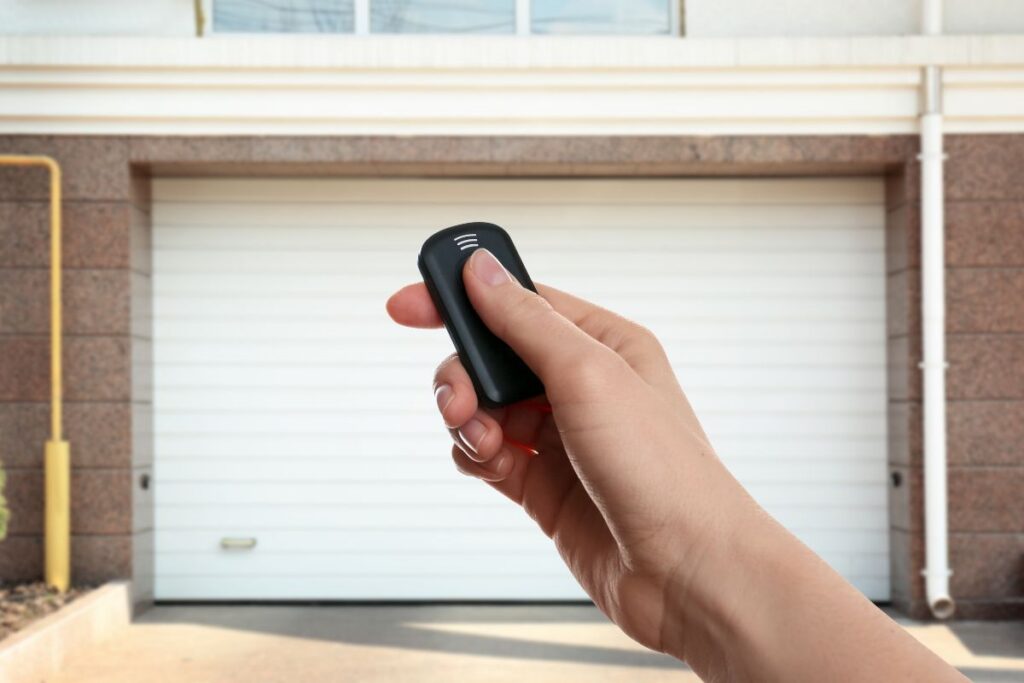
- Smart garage door technology: adds remote monitoring and control, useful for confirming the door is closed during a storm.
- Full garage door replacement: the right call when springs, rollers, and cables are all aging together and individual repairs no longer add up to good value.
An inspection is a natural opportunity for a technician to walk you through which option makes sense for your specific door. If replacement turns out to be the better path, our garage door installation team can walk you through the options.
Take the Next Step for Your Garage Door
The warning signs covered above are your cue to call in a technician rather than wait and hope.
Watch for:
- Unusual noises such as grinding, popping, or scraping.
- Uneven movement, shuddering, or tilting along the garage door track.
- Slower operation than the door’s normal pace.
- Visible damage to cables, springs, or rollers.
- Opener problems, including delayed starts or sensor trouble.
- Drafts and gaps along door bottoms or side seals of a closed door.
An inspection is also the ideal time to weigh upgrades like insulated doors, new weather-proof seals, a battery backup, or smart technology. Bundling that conversation with a service visit saves you a second appointment later.
A well-weatherproofed, professionally maintained garage door improves your home’s energy efficiency and delivers real energy savings, protects everything stored inside, and gives you genuine peace of mind through the seasons.
Skip the guesswork and let Palmer Garage Doors’ garage door service team handle your inspection, so professional care is one less thing to manage each season. Every job we complete is backed by the Palmer Promise, our lifetime workmanship warranty. Contact us today or call (203) 881-9979 to schedule your garage door inspection.